10 Beautiful Places in Italy That Look Almost Unreal (and How to Beat the Crowds)
From the cliffside colours of Cinque Terre to the cave city of Matera: ten of Italy's most breathtaking places, the best time to see each one, and the new rules and bookings you need to know.
AI-generated image
At a glance
- Best for drama
- The Dolomites, Amalfi Coast
- Most unusual
- Matera, Civita di Bagnoregio
- Best months
- May–June, September–October
- Book ahead
- Via dell'Amore, Cala Goloritzé, Venice day trips
- Biggest crowd-beater
- Stay overnight; go at sunrise
In this guide
- 01 1. Cinque Terre, Liguria
- 02 2. The Amalfi Coast, Campania
- 03 3. The Dolomites, Trentino–South Tyrol
- 04 4. Venice, Veneto
- 05 5. Matera, Basilicata
- 06 6. Val d’Orcia, Tuscany
- 07 7. Lake Como, Lombardy
- 08 8. Civita di Bagnoregio, Lazio
- 09 9. Alberobello, Apulia
- 10 10. Cala Goloritzé, Sardinia
- 11 How to see Italy’s beauty without the crowds
- 12 Frequently asked questions
The short answer
Italy’s most breathtaking places include Cinque Terre, the Amalfi Coast, the Dolomites, Venice, Matera, Tuscany’s Val d’Orcia, Lake Como, Civita di Bagnoregio, Alberobello and Sardinia’s Cala Goloritzé. Visit in May–June or September–October, stay overnight rather than day-tripping, and book ahead where numbers are now limited.
Italy has a way of looking exactly like the paintings. Cypress trees line Tuscan lanes as if arranged for a canvas; pastel houses tumble down cliffs to the sea; whole villages sit on pinnacles of rock.
But beauty comes with crowds, and several of Italy’s most famous places now limit visitor numbers or charge access fees. This guide covers ten places that genuinely live up to the photos, the best time to see each one, and what you need to book before you go.
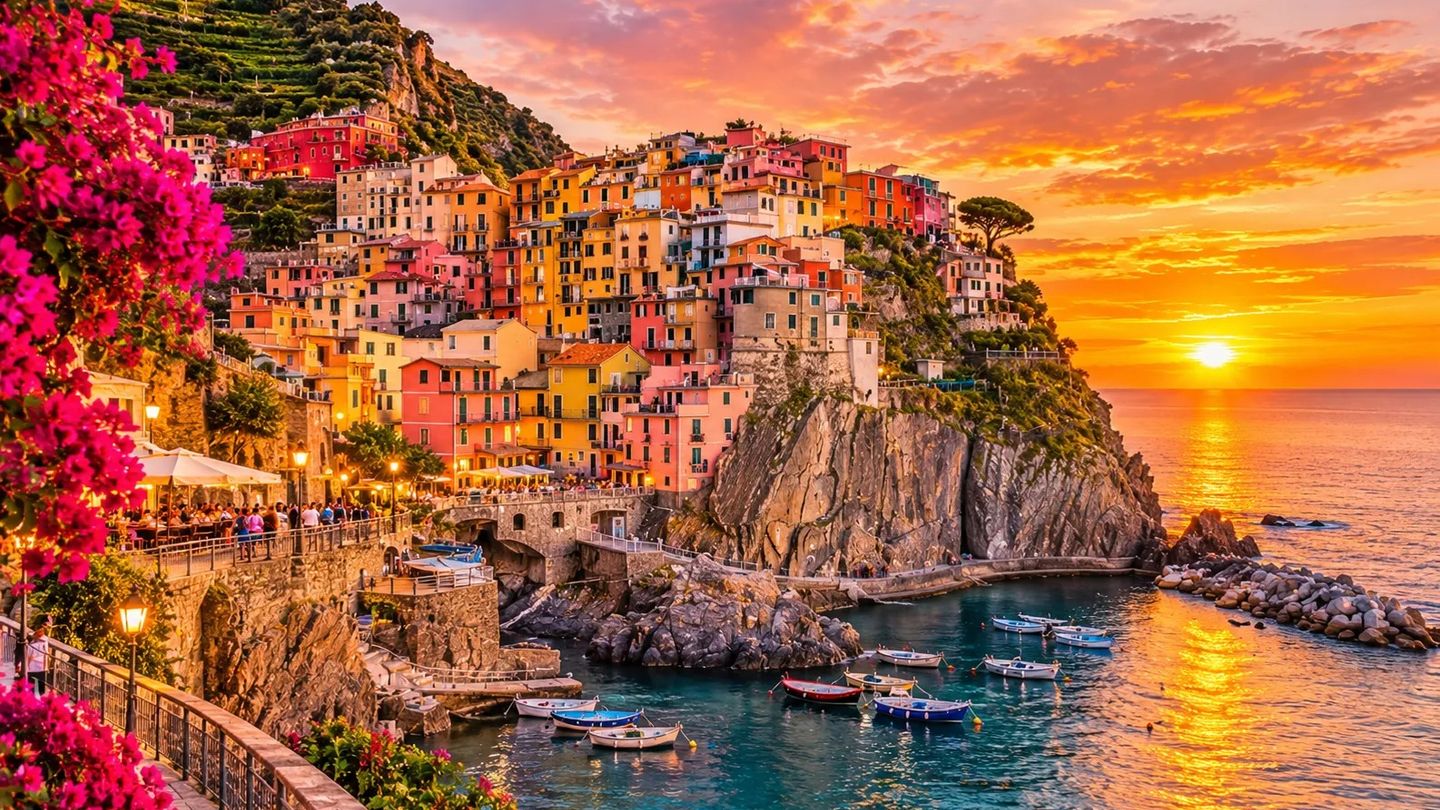
1. Cinque Terre, Liguria
Why it looks unreal: Five villages of red, yellow and pink houses stacked above tiny harbours, linked by coastal trails, terraced vineyards and a little local train.
- Best time: May–June and September–October. Summer weekends are extremely busy.
- Beat the crowds: Stay overnight in one of the villages, or in nearby La Spezia or Levanto, and explore early and late, when day-trippers have gone.
- Know before you go: The famous Via dell’Amore cliffside path reopened in 2024 with timed entry slots. Some coastal trails require the Cinque Terre Card, and paths can close after heavy rain. Check the national park website before you hike.
2. The Amalfi Coast, Campania
Why it looks unreal: Positano’s houses cascade down to the sea, the coastal road twists along cliffs hundreds of metres above the water, and lemon groves fill every terrace.
- Best time: May–June and late September–October.
- Beat the crowds: Travel by ferry between towns rather than by road, which is slow and congested in summer. Quieter bases include Minori, Maiori and Atrani.
- Know before you go: Traffic restrictions apply to private cars on the coastal road in busy periods, so a car is often more hassle than help.
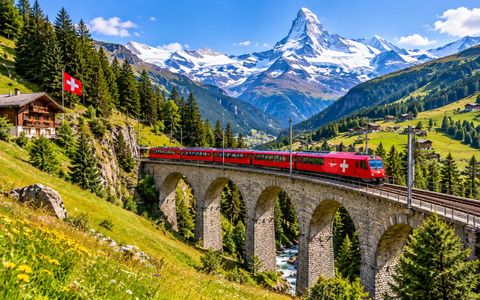
3. The Dolomites, Trentino–South Tyrol
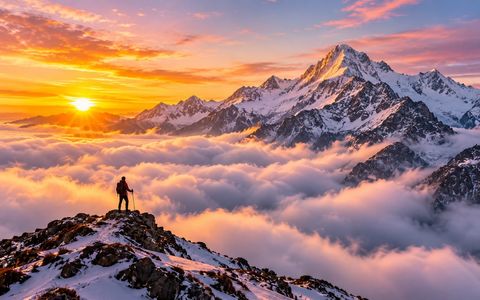
Why it looks unreal: Pale, jagged limestone peaks rise abruptly above flower-filled meadows, and at sunset they glow pink. The effect, called enrosadira in the local Ladin language, is unforgettable.
- Best time: Late June to September for hiking; December to March for skiing.
- Beat the crowds: Base yourself in a quieter valley such as Val di Funes or Val Badia, and use cable cars early in the morning.
- Know before you go: Popular spots such as Lago di Braies and the Tre Cime di Lavaredo have restricted road access or paid parking in peak season; buses are often easier. Book mountain huts (rifugi) months ahead for July and August.
Want more mountains? The Dolomites also feature in our 12 bucket-list places.
4. Venice, Veneto
Why it looks unreal: A city built on water, with no cars, marble palaces and gondolas gliding through narrow canals.
- Best time: November–March for atmosphere and fewer people (expect some high-water days); April–June for mild weather.
- Beat the crowds: Stay overnight. Venice is transformed at dawn and in the evening. Explore Cannaregio, Castello and the island of Burano.
- Know before you go: On selected peak days, day-trippers must pay an access fee. In 2026 it applied on 60 days between April and July, from 8:30 a.m. to 4 p.m., costing €5 when booked in advance and €10 nearer the date. Overnight guests are exempt but must register. Check the official access fee site for 2027 dates.
5. Matera, Basilicata
Why it looks unreal: The Sassi are ancient cave dwellings carved into a ravine, inhabited for thousands of years. Today many are boutique hotels and restaurants, and the old town is a UNESCO World Heritage Site.
- Best time: April–June and September–October.
- Beat the crowds: Walk the Sassi at dusk, when the lights come on, then cross to the viewpoints opposite the ravine at sunrise.
- Know before you go: The city is steep and full of steps. Pack comfortable shoes.
6. Val d’Orcia, Tuscany
Why it looks unreal: Rolling hills, solitary farmhouses and winding cypress-lined roads make this UNESCO-listed valley the definitive image of Tuscany.
- Best time: Late April–June for green hills and poppies; September–October for the harvest.
- Beat the crowds: Stay in an agriturismo (farm stay) and visit viewpoints at sunrise, when mist fills the valleys.
- Know before you go: A car is essential; the hill towns of Pienza, Montepulciano and Montalcino are each worth an evening.
7. Lake Como, Lombardy
Why it looks unreal: Steep green mountains drop into deep blue water, lined with grand villas, gardens and lakeside villages.
- Best time: April–June and September–October.
- Beat the crowds: Base yourself in Varenna or Menaggio, and get around on the public ferries, which are the best way to see the lake.
- Know before you go: Villa gardens such as Villa del Balbianello and Villa Carlotta charge entry and keep seasonal hours.
8. Civita di Bagnoregio, Lazio
Why it looks unreal: A medieval village perched on a crumbling pinnacle of volcanic rock, reached only by a long pedestrian bridge. It’s often called “the dying town” because of erosion.
- Best time: Spring and autumn; on misty mornings the village appears to float.
- Beat the crowds: Arrive early or stay nearby, as tour groups arrive late morning.
- Know before you go: Visitors pay a small entry fee to cross the bridge.
9. Alberobello, Apulia
Why it looks unreal: Hundreds of trulli (whitewashed stone houses with conical roofs) fill this UNESCO-listed town, looking like something from a fairy tale.
- Best time: April–June and September–October; summer is hot.
- Beat the crowds: Stay in a trullo overnight and explore the Rione Monti district early.
- Know before you go: Combine with nearby Locorotondo, Ostuni and Polignano a Mare for a beautiful week in Puglia.
10. Cala Goloritzé, Sardinia
Why it looks unreal: A tiny cove of white pebbles and impossibly clear turquoise water beneath a towering limestone spire on Sardinia’s east coast.
- Best time: June and September (warm water, fewer people).
- Beat the crowds: Book early-morning slots, and visit midweek.
- Know before you go: Access is limited in high season, with a fee and advance booking required for the hiking trail; boats can’t land on the beach. Check the latest rules locally.
How to see Italy’s beauty without the crowds
- Travel in shoulder season. May, June, September and October are warm with longer days and smaller crowds.
- Stay overnight. Most famous places are busiest between 10 a.m. and 5 p.m., when day-trippers arrive.
- Go early. Sunrise light is better for photos, and you’ll often have viewpoints to yourself.
- Book limited-access sites in advance. Fees and caps are increasingly common.
- Use trains and ferries. Italian rail is efficient and avoids the worst traffic and parking problems.
Planning a wider European trip on a budget? See our guide to the cheapest countries in Europe, or browse more destinations.
Frequently asked questions
What is the most beautiful place in Italy?
It depends on what you love. For mountains, the Dolomites are hard to beat; for coastline, the Amalfi Coast and Cinque Terre; for countryside, Tuscany's Val d'Orcia; and for something truly unusual, the cave city of Matera. All are beautiful in different ways.
When is the best time to visit Italy's most beautiful places?
May, June, September and early October offer warm weather, long days and fewer crowds than July and August. For hiking in the Dolomites, the best window is late June to September, when mountain huts and lifts are open.
Do I need to pay to enter Venice?
On selected busy days, day-trippers to Venice's historic centre must pay an access fee. In 2026 it applied on 60 days between April and July, from 8:30 a.m. to 4 p.m., costing €5 when booked in advance and €10 closer to the date. Overnight guests are exempt but must register. Check the city's official site for 2027 dates.
Do I need to book the Via dell'Amore in Cinque Terre?
Yes. The famous cliffside path between Riomaggiore and Manarola reopened in 2024 with limited numbers and timed entry slots. Reports for 2026 say access is linked to the Cinque Terre Card. Book through the official park or Via dell'Amore website.