12 Affordable Tropical Islands Where Paradise Doesn't Cost a Fortune
White sand, warm water and palm trees for far less than the Maldives: twelve good-value islands across Asia, Africa and the Americas, with the best time to go and what a day really costs.
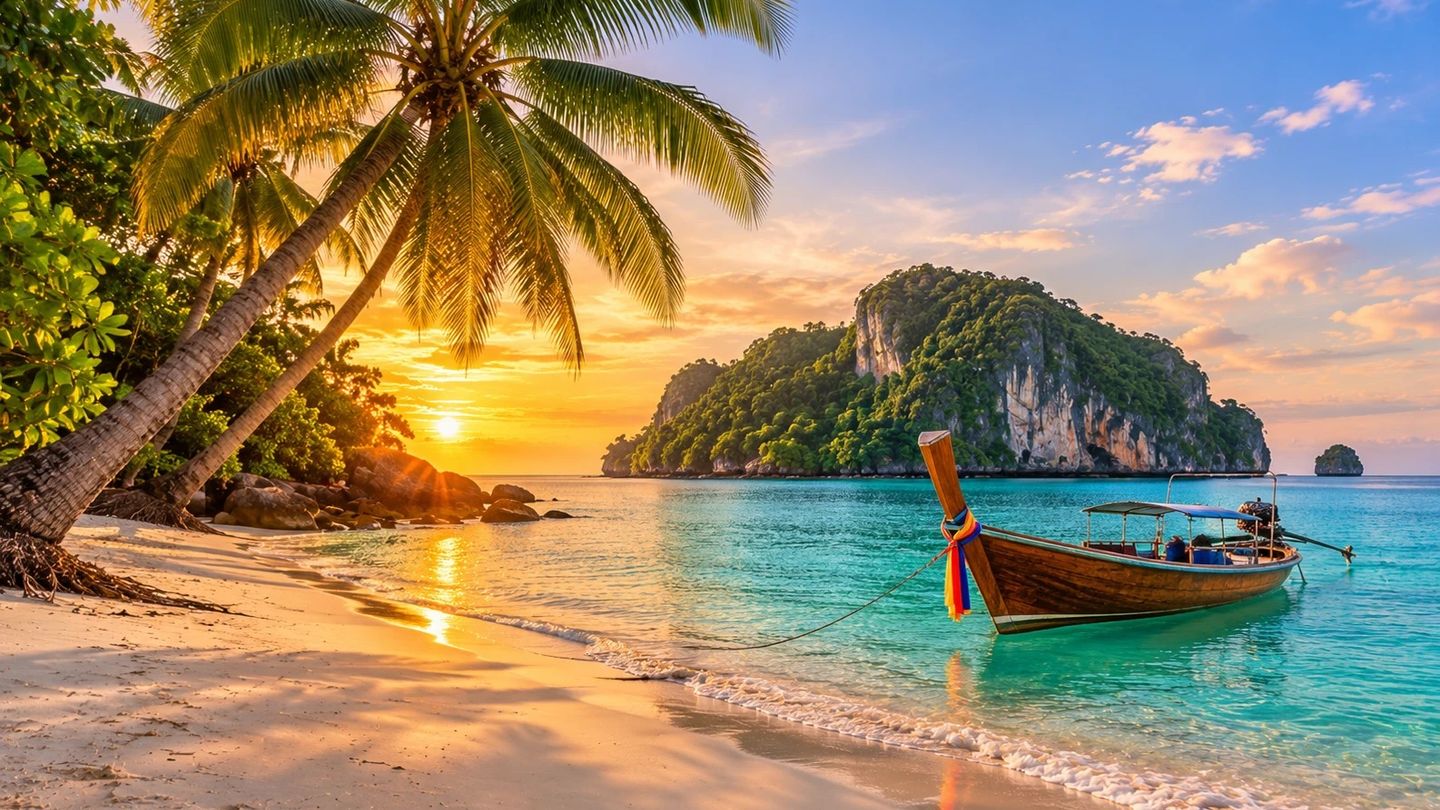
AI-generated image
At a glance
- Best value overall
- Koh Lanta, Siquijor, Sri Lanka's south coast
- Best for diving
- Roatán, Little Corn Island
- Easiest to reach
- Langkawi, Phu Quoc, Holbox (via Cancún)
- Typical mid-range day
- US$45–110 per person
- Biggest hidden cost
- Ferries and transfers
In this guide
The short answer
The most affordable tropical islands in 2026 include Koh Lanta (Thailand), Siquijor (Philippines), Langkawi (Malaysia), Lombok (Indonesia), Phu Quoc (Vietnam), Sri Lanka’s south coast and Zanzibar, plus Holbox, Roatán, Little Corn and Bocas del Toro in the Americas. A mid-range day costs roughly US$45–110 per person, often a fraction of the Maldives or the Seychelles.
You don’t need a five-star budget for a postcard beach. Away from the luxury resort islands, there are places where a bungalow steps from the sea costs less than a city-centre hotel at home, and dinner is grilled fish eaten with your feet in the sand.
Each island below earns its place for a clear reason: great beaches, good value and something that makes it different. For each, we cover when to go, what a typical day costs and what to watch out for.
How we estimate costs: daily budgets are in US dollars, per person, for a mid-range traveller sharing a double room and eating out, as of late 2026. Flights to the region aren’t included. Prices rise in each island’s peak season.
Southeast Asia
1. Koh Lanta, Thailand
Why go: Long, uncrowded beaches on Thailand’s Andaman coast, family-friendly bungalows and a relaxed pace that’s disappeared from busier islands. Day trips run to the Koh Rok and Koh Haa islands for snorkelling.
- Best time: November–April. In the rainy season (May–October), seas are rough and some resorts close.
- Typical day: US$45–90.
- Getting there: Fly to Krabi, then take a minivan and car ferry.
Planning more of Thailand? Our Thailand budget guide breaks down costs for a full week.
2. Siquijor, Philippines
Why go: A small, friendly island known for turquoise waterfalls such as Cambugahay Falls, quiet beaches and good snorkelling. Rent a scooter and you can loop the entire coast road in a day.
- Best time: December–May (drier months).
- Typical day: US$40–80.
- Getting there: Fly to Dumaguete, then ferry across.
3. Langkawi, Malaysia
Why go: Rainforest, mangrove tours and a cable car with sweeping views, plus duty-free status that keeps some prices low. It’s one of the easiest tropical islands to reach, with frequent flights from Kuala Lumpur.
- Best time: December–March, the driest months.
- Typical day: US$50–100.
- Watch for: The main Cenang beach strip is busy; stay further along the coast for quieter beaches.
4. Lombok, Indonesia
Why go: Bali’s neighbour is less developed, with surf beaches around Kuta Lombok, waterfalls in the north and the climb up Mount Rinjani for the adventurous. The tiny Gili Islands are a short boat ride away.
- Best time: May–September (dry season).
- Typical day: US$45–90.
- Watch for: Rinjani treks are physically demanding; choose licensed guides.
5. Phu Quoc, Vietnam
Why go: Vietnam’s largest island combines long sandy beaches, sunset bars, night markets and excellent seafood. Development is growing fast, so pick your beach carefully.
- Best time: November–April.
- Typical day: US$50–100.
- Watch for: Large resort complexes dominate parts of the island; the north and west coasts are quieter.
6. Koh Rong Samloem, Cambodia
Why go: For a genuine switch-off. Simple beach huts, clear water, bioluminescent plankton on dark nights and very little to do except swim and read.
- Best time: November–April.
- Typical day: US$40–75.
- Watch for: Electricity and Wi-Fi can be limited; bring cash, as ATMs are scarce.
South Asia and Africa
7. Sri Lanka’s south coast
Why go: The island nation’s southern coast has surf towns such as Weligama, palm-lined beaches at Mirissa, whale watching and the Dutch-era fort town of Galle. Food is excellent and great value.
- Best time: December–March for the south and west coasts.
- Typical day: US$40–85.
- Watch for: Choose whale-watching operators that keep a respectful distance from the whales.
8. Zanzibar, Tanzania
Why go: Wander the alleys of Stone Town, visit spice farms, then head to east-coast beaches where the tide reveals vast sandbanks. Combine it with a safari on the mainland.
- Best time: June–October and December–February.
- Typical day: US$60–110.
- Watch for: Visitors to Zanzibar must buy the government’s mandatory travel insurance (reported at about US$44 per adult in 2026) in addition to their own policy. Check current requirements before you fly.
The Americas
9. Isla Holbox, Mexico
Why go: A car-free island of sandy streets, hammocks and flamingos, close to Cancún but very different in feel. From roughly June to September, tours head out to swim with whale sharks.
- Best time: December–April for dry weather; June–September for whale sharks.
- Typical day: US$70–110.
- Watch for: Hurricane season runs from June to November; buy flexible bookings.
10. Roatán, Honduras
Why go: On the Mesoamerican Reef, the world’s second-largest barrier reef system, Roatán offers some of the Caribbean’s best-value diving and dive courses.
- Best time: February–August is usually drier.
- Typical day: US$65–110.
- Watch for: West End and West Bay are the easiest bases; cruise-ship days make beaches busier.
11. Little Corn Island, Nicaragua
Why go: No cars, a handful of guesthouses and reefs just off the beach. It’s about as close to a desert-island feeling as you can get on a budget.
- Best time: February–April (drier months).
- Typical day: US$55–100.
- Getting there: A domestic flight to Big Corn Island, then a small boat across. It’s a bumpy ride.
12. Bocas del Toro, Panama
Why go: A Caribbean archipelago of overwater bars, starfish beaches and boat-taxi island hopping, with a relaxed backpacker scene.
- Best time: Bocas has its own microclimate; September–October and February–March are often calmest.
- Typical day: US$55–100.
- Watch for: Boat taxis add up; group trips with others to share costs.
How to keep an island trip affordable
- Choose the region first, then the island. Your international flight is usually the biggest cost.
- Travel in the shoulder months either side of peak season for lower prices and fewer crowds.
- Limit island hopping. Every ferry or small flight adds cost and travel time.
- Stay in family-run guesthouses and eat at local restaurants rather than resorts.
- Bring reef-safe sunscreen and your own snorkel mask to save on rentals and protect the reef.
Dreaming bigger? Our bucket-list destinations include the Great Barrier Reef. And before you go, check our international packing checklist.
Frequently asked questions
What is the cheapest tropical island to visit?
Islands in the Philippines, Cambodia and Thailand's quieter coasts, such as Siquijor, Koh Rong Samloem and Koh Lanta, are among the cheapest tropical islands for accommodation and food. Sri Lanka's south coast is also excellent value. Your flight to the region often matters more than the island itself.
When is the best time to visit tropical islands?
It depends on the region. Thailand's Andaman coast, Malaysia and Vietnam's Phu Quoc are best from roughly November to April; Lombok from May to September; Sri Lanka's south coast from December to March; and the Caribbean and Mexico from December to April. Avoid each region's main rainy or hurricane season.
How can I make an island trip cheaper?
Fly into a regional hub and take a ferry rather than a direct flight, travel just outside peak season, stay in family-run guesthouses, and eat where locals eat. Fewer island hops also mean fewer expensive boat transfers.