The International Travel Packing Checklist: What to Pack (and What to Leave at Home)
A complete, printable packing checklist for international trips: documents, money, tech, health and clothes, plus the 2026 carry-on liquid rules and the mistakes that cost travellers time and money.
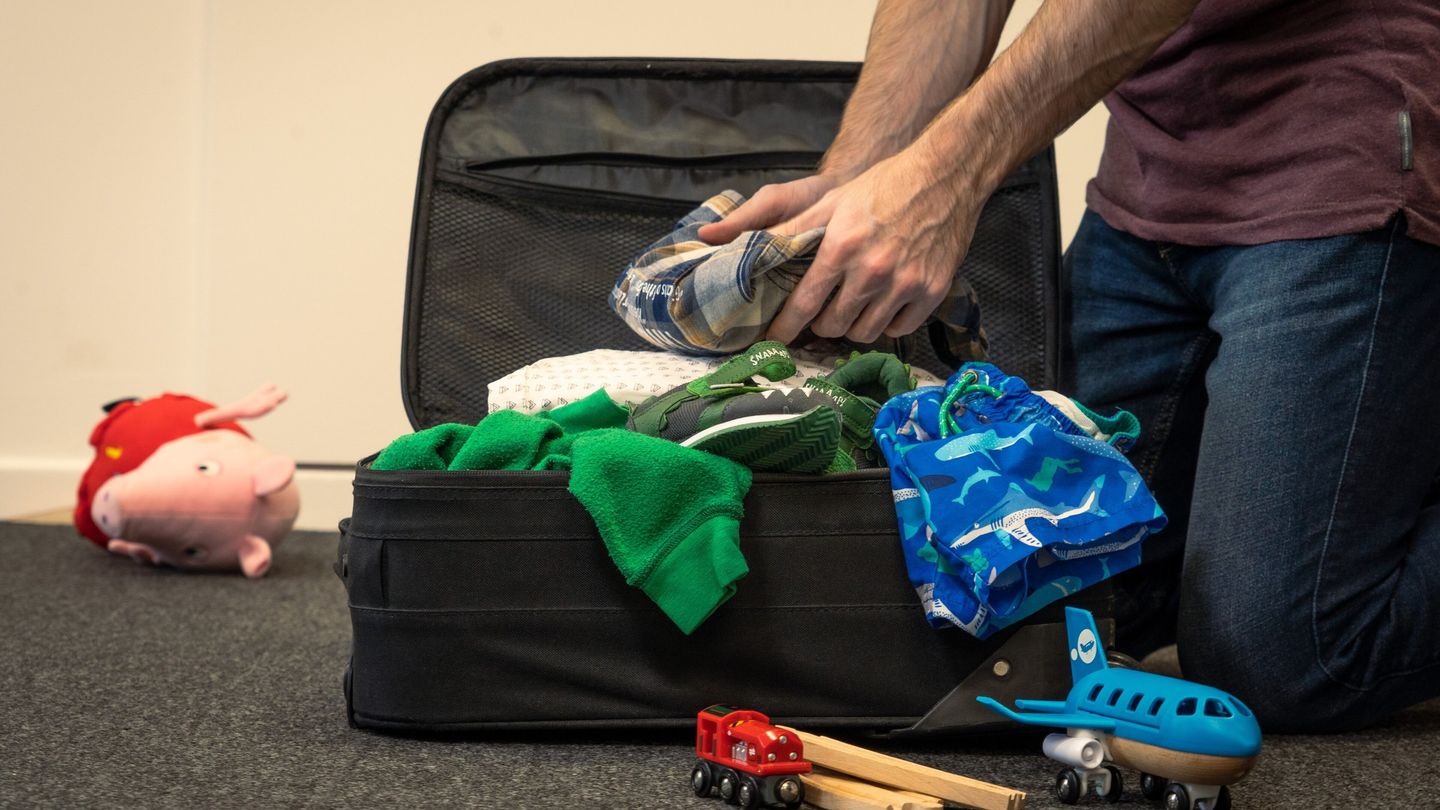
Photo: Familydestinationsguide.com Images / Wikimedia Commons, CC BY 2.0, cropped and resized
At a glance
- Check 1 month before
- Passport validity, visas and entry permits
- Carry-on liquids
- Pack for 100 ml unless both airports allow more
- Power banks
- Carry-on only, never checked
- Medication
- Original packaging, in your carry-on
- Golden rule
- Pack, then remove a third
In this guide
- 01 1. Documents and money (check one month before)
- 02 2. Carry-on bag
- 03 3. Liquids and security: the 2026 rules
- 04 4. Tech
- 05 5. Health and toiletries
- 06 6. Clothing: pack for the climate
- 07 7. Comfort on the journey
- 08 What to leave at home
- 09 Five packing mistakes to avoid
- 10 Frequently asked questions
The short answer
For an international trip, pack the irreplaceables first: passport (with enough validity), visas or travel authorisations, payment cards, insurance details, medication and phone. Then add climate-appropriate clothes, a universal adapter and a power bank in your carry-on. Pack liquids for the 100 ml rule unless you’re sure both airports allow more.
Forgetting a phone charger is an inconvenience. Forgetting your passport, prescription or travel authorisation can end a trip before it starts. This checklist puts the essentials first, then helps you pack light for everything else.
How to use it: run through the documents section a month before you travel, then the full list two or three days before departure. Everything here assumes a trip of one to three weeks with checked luggage optional.
1. Documents and money (check one month before)
- Passport, valid for at least six months beyond your trip, with blank pages
- Visas or travel authorisations: for example, the UK’s ETA, or e-visas and digital arrival cards required by many countries
- Travel insurance policy number and emergency phone number
- Flight, hotel and transport confirmations (offline copies on your phone)
- Driving licence and an International Driving Permit if you’ll rent a car
- Two payment cards from different banks, stored separately
- A little local currency for arrival, or a plan to use an airport ATM
- Photocopies or secure photos of your passport and cards
- Vaccination records if required for your destination
Entry rules change often. Thailand cut its visa-free stay to 30 days for many nationalities in 2026, and a growing number of countries require online authorisations before travel. Always check official government sources for each country on your route.
2. Carry-on bag
Keep everything you can’t afford to lose, or need on the journey, with you.
- Passport, wallet and phone
- Medication in original packaging, plus copies of prescriptions
- Power bank and charging cables (never in checked luggage)
- Universal travel adapter
- Headphones and a downloaded playlist, podcast or film
- Reusable water bottle (empty through security)
- Clear bag of liquids, gels and aerosols (see the rules below)
- Light jumper or scarf: planes and airports are often cold
- A change of underwear and a T-shirt, in case checked luggage is delayed
- Pen for arrival forms
3. Liquids and security: the 2026 rules
Carry-on liquid rules are currently inconsistent between airports, even within the same country.
- United States: the TSA’s 3-1-1 rule still applies: containers of 3.4 oz (100 ml) or less, in one quart-sized bag, one bag per passenger.
- UK: several major airports with new scanners now allow containers of up to 2 litres, but others still enforce 100 ml.
- EU: a patchwork, with some airports allowing larger containers and many still applying the 100 ml limit.
Our advice: unless you’ve confirmed that both your departure and return airports allow larger containers, pack liquids in 100 ml containers in a single clear bag. Check your airport’s website before you fly.
4. Tech
- Phone and charger
- eSIM set up before departure, or plan for a local SIM
- Offline maps and translation app downloaded
- Power bank (typically up to 100 Wh is allowed without airline approval)
- Universal adapter with USB ports
- E-reader or tablet
- Camera, spare memory card and battery (spare batteries in carry-on)
Power bank note: an increasing number of airlines restrict using or charging power banks during the flight. Check your airline’s policy.
5. Health and toiletries
- Prescription medication (enough for the trip plus a few extra days)
- Painkillers, antihistamines and rehydration sachets
- Plasters, antiseptic cream and blister patches
- Insect repellent (essential in the tropics)
- Sunscreen and lip balm with SPF; reef-safe sunscreen for snorkelling
- Toothbrush, toothpaste and deodorant
- Hand sanitiser and tissues
- Glasses or contact lenses, with a spare pair
Medication tip: some common medicines are restricted or require permits in certain countries. Check before you travel, and always keep medication in its original packaging.
6. Clothing: pack for the climate
For warm destinations
- Lightweight, breathable tops and shorts or skirts
- One set of clothes covering shoulders and knees, for temples and religious sites
- Swimwear and a quick-dry towel
- Sun hat and sunglasses
- Sandals and comfortable walking shoes
Heading somewhere tropical? Our guide to affordable tropical islands covers the best time to visit each one.
For cold destinations
- Thermal base layers
- Insulated jacket and waterproof outer layer
- Hat, gloves and scarf
- Warm socks and waterproof boots
Planning a winter trip? See our best countries to visit in December.
For every trip
- One more pair of underwear and socks than you think you need
- Two or three outfits that mix and match
- Something smarter for dinners out
- Sleepwear
- A packable daypack or tote bag
7. Comfort on the journey
- Eye mask and earplugs
- Neck pillow for long flights
- Compression socks for long-haul flights
- Snacks (check food rules before landing; many countries ban fresh food)
What to leave at home
- Expensive jewellery you’d be upset to lose.
- Full-size toiletries: buy them at your destination.
- “Just in case” outfits you won’t wear.
- Spare lithium batteries in checked luggage: they must go in your carry-on.
- Too many shoes: they’re the heaviest thing in most suitcases.
Five packing mistakes to avoid
- Leaving passport checks too late. Renewals can take weeks.
- Packing medication in checked luggage. Bags get delayed.
- Assuming liquid rules are the same everywhere. They aren’t in 2026.
- Forgetting the return journey. Leave space for souvenirs, or pack a foldable bag.
- Overpacking. Lay everything out, then remove a third.
Ready to go? Get inspired by our 12 bucket-list places, or plan your first big trip with our 7-day Japan itinerary.
Frequently asked questions
What should I pack for an international trip?
Start with essentials you can't replace easily: passport, visas or travel authorisations, payment cards, travel insurance details, medication and phone with charger. Then add clothes suited to the climate, a universal adapter, toiletries and a few comfort items for the flight. Almost everything else can be bought at your destination.
Can I take liquids over 100 ml in hand luggage in 2026?
Only at some airports. Several UK and EU airports with new security scanners now allow containers of up to 2 litres, but others still enforce the 100 ml limit, and flights from the US follow the TSA's 3-1-1 rule (3.4 oz or 100 ml containers in one quart-sized bag). Since your return airport may have different rules, packing for 100 ml is the safest choice.
Can I put a power bank in checked luggage?
No. Spare lithium batteries and power banks must be carried in your hand luggage. Most airlines allow power banks up to 100 Wh without approval, and an increasing number restrict using or charging them during the flight. Check your airline's rules before you fly.
How long does my passport need to be valid?
Many countries require your passport to be valid for at least six months beyond your arrival or departure date, and some require blank pages for stamps. Requirements vary, so check the official entry rules for each country you're visiting.