12 Best Christmas Markets in Europe for 2026 (With Dates and Tips)
From Strasbourg and Nuremberg to Vienna, Zagreb and Tallinn: twelve of Europe's best Christmas markets for 2026, with opening dates, what makes each one special and how to visit without the crowds.
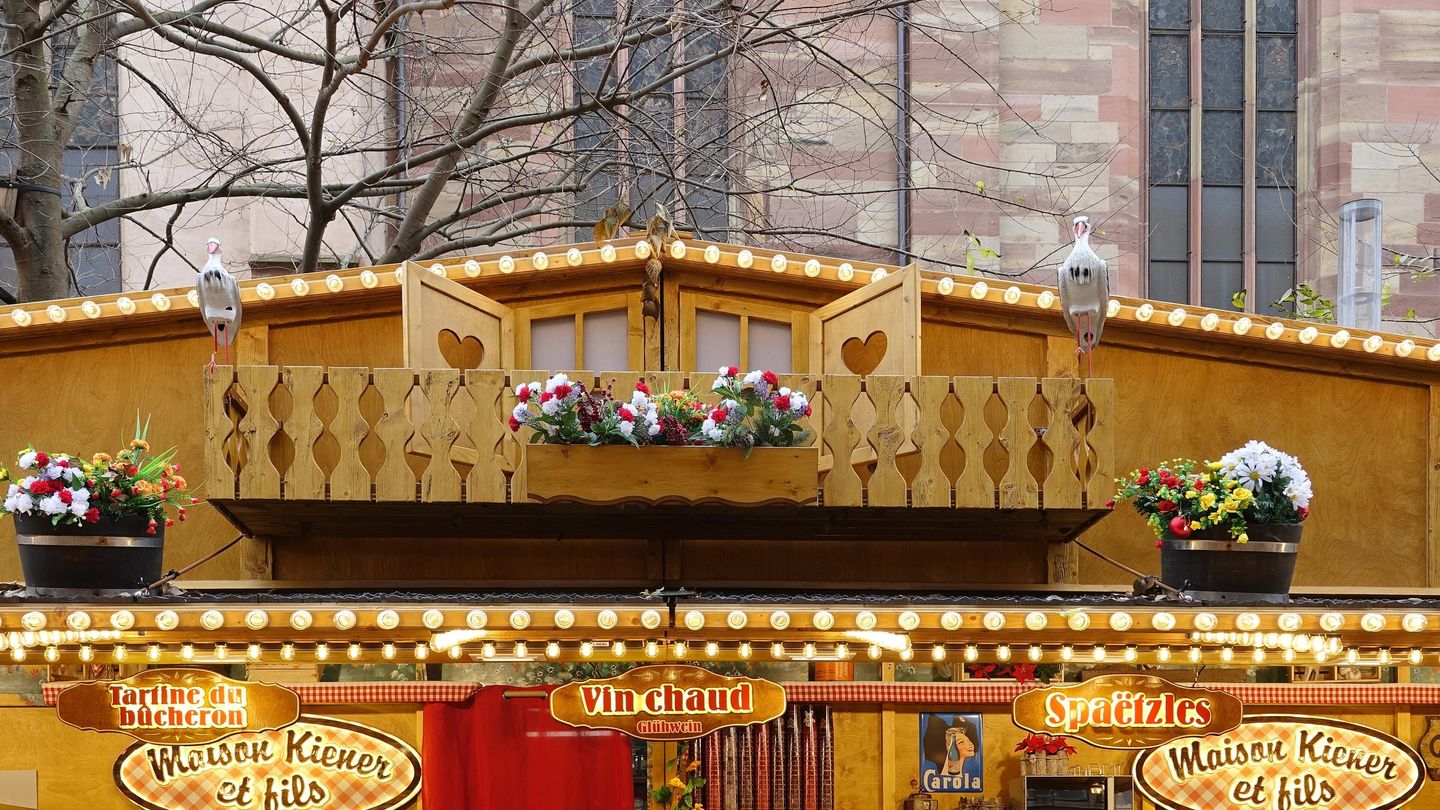
Photo: Gzen92 / Wikimedia Commons, CC BY-SA 4.0, cropped and resized
At a glance
- Earliest openings
- Vienna, Budapest, Tivoli (13 Nov)
- Open after Christmas
- Prague, Zagreb, Tallinn, Tivoli, Budapest
- Best for a first trip
- Strasbourg + Colmar, or Vienna
- Best value
- Zagreb, Budapest, Tallinn
- Quietest time to visit
- Weekday afternoons, late Nov to early Dec
In this guide
- 01 France: Alsace, where it all feels like a postcard
- 02 Germany: the classics
- 03 Central Europe: grand cities, great atmosphere
- 04 Value picks: big atmosphere, smaller bills
- 05 Northern and Swiss charm
- 06 Christmas markets 2026 at a glance
- 07 Which markets can you combine on one trip?
- 08 Tips for visiting Christmas markets in Europe
- 09 Frequently asked questions
The short answer
The best Christmas markets in Europe for 2026 are Strasbourg and Colmar in France, Nuremberg, Dresden and Cologne in Germany, Vienna, Prague, Budapest, Zagreb, Tallinn, Tivoli in Copenhagen and Basel. Most open between mid and late November. German and French markets usually close by 24 December, while Prague, Zagreb and Tallinn run into early January.
Few things say “European winter” like a Christmas market: wooden huts strung with lights, the smell of mulled wine and roasting chestnuts, and a cathedral or town hall glowing in the background. The tradition began in German-speaking lands in the late Middle Ages and has spread across the continent.
Below are twelve of the best markets for 2026. For each one we cover the dates, why it stands out and one tip for planning. Dates come from official tourism boards or organisers where they’ve been published. Where a date is marked expected, it hadn’t been officially confirmed when we wrote this, so check the official site before you book.
France: Alsace, where it all feels like a postcard
1. Strasbourg
Dates: expected about 27 November – 24 December 2026
Strasbourg calls itself the Capitale de Noël (Capital of Christmas), and its market, the Christkindelsmärik, dates back to 1570. Rather than one big square, the stalls spread across the old town. The main market is around the cathedral and Place Broglie, and a giant Christmas tree stands on Place Kléber. Look for bredele (Alsatian Christmas biscuits), gingerbread and local white mulled wine.
- Plan for: big weekend crowds and security checkpoints at the entrances to the old town. Book hotels early, since rooms near the centre fill fast for December.
- Read next: if you’re going on to Paris, see where to stay in Paris.
2. Colmar
Dates: 23 November – 29 December 2026 (the gourmet market and Ferris wheel on Place Rapp stay open until 3 January 2027)
Half-timbered houses, canals and fairy lights make Colmar look as if it was built for Christmas. Six small markets are spread through the historic centre, each with its own character. The one in Petite Venise is especially pretty at dusk. It’s only about 30 minutes from Strasbourg by train, so it’s easy to see both.
- Plan for: narrow lanes that get very crowded at weekends. Come on a weekday, or stay overnight to enjoy the evening once the day-trippers have left.
Germany: the classics
3. Nuremberg
Dates: 27 November – 24 December 2026 (closes at 14:00 on 24 December)
The Christkindlesmarkt is probably Germany’s most famous Christmas market. It opens on the evening of 27 November, when the Christkind (Christ Child) reads a prologue from the balcony of the Frauenkirche. The red-and-white striped stalls on the Hauptmarkt sell Lebkuchen (Nuremberg gingerbread), little figures made of prunes, and Nuremberg’s small grilled sausages, served three in a bread roll.
- Plan for: the opening night and December weekends are packed. Visit on a weekday morning for the crafts and come back after dark for the lights.
4. Dresden
Dates: 25 November – 24 December 2026
The Striezelmarkt on the Altmarkt was first held in 1434, making it one of Germany’s oldest Christmas markets. It’s named after Striezel, the old word for Dresden’s famous stollen. Look out for the giant wooden Christmas pyramid and handmade Ore Mountain wood carvings. Dresden has several other markets, including the medieval-themed one at the Stallhof.
- Plan for: the Stollenfest on Saturday 5 December 2026, when a giant stollen is paraded through the old town and then sliced and sold.
5. Cologne
Dates: 16 November – 23 December 2026 for the Cathedral market (closed on 22 November)
Cologne has several themed markets. The most famous is at the foot of the cathedral on Roncalliplatz, under a canopy of lights. Others include the Markt der Engel (Angels’ Market) on Neumarkt and the Harbour market by the Rhine. Each market has its own mug design, so collectors often walk between them to get the full set.
- Plan for: the Cathedral market closes on Sunday 22 November for Totensonntag, a day of remembrance. Some other Cologne markets run into January.
Central Europe: grand cities, great atmosphere
6. Vienna
Dates: 13 November – 26 December 2026 for the Rathausplatz market (the ice rink runs until 6 January 2027)
Vienna’s main market fills the square in front of the neo-Gothic City Hall, with an ice rink and a park full of lit-up trees. The city has more than a dozen others too. The ones at Schönbrunn Palace, Spittelberg (cobbled lanes and crafts) and Am Hof are all worth a visit. Try Punsch (a hot fruit punch, often with rum) and Maroni (roasted chestnuts).
- Plan for: Rathausplatz gets very busy in the evenings. Spittelberg and Am Hof feel more local.
7. Prague
Dates: expected about 28 November 2026 – 6 January 2027
Prague’s main market sets wooden stalls and a towering Christmas tree against the Gothic Týn Church and the astronomical clock on Old Town Square. A second big market runs on Wenceslas Square. Try trdelník (a sweet pastry rolled on a spit) and svařák (Czech mulled wine).
- Plan for: prices on Old Town Square are aimed at tourists. For better value and a more local feel, try the smaller markets at Náměstí Míru or Jiřího z Poděbrad.
8. Budapest
Dates: expected about 13 November – 31 December 2026 for Vörösmarty Square
Budapest has two headline markets. Vörösmarty Square focuses on Hungarian crafts such as embroidery, leatherwork and ceramics. At the Advent Bazilika in front of St Stephen’s Basilica, a light show plays across the facade in the evenings. Try kürtőskalács (chimney cake) and lángos (fried dough with toppings).
- Plan for: combine the markets with a soak in one of the city’s thermal baths. Steaming outdoor pools on a cold December day are hard to beat.
Value picks: big atmosphere, smaller bills
9. Zagreb
Dates: 28 November 2026 – 7 January 2027
Advent in Zagreb spreads across the whole city centre, from Ban Jelačić Square and the Zrinjevac park to an ice rink in King Tomislav Square. It was voted Best Christmas Market in Europe in the European Best Destinations poll three years running (2016–2018). Food and drink cost less here than in Western Europe. Try fritule (small doughnuts) and sausages from the stalls.
- Plan for: the best atmosphere is in the evenings, when concerts and lights fill the parks. The festival’s long run makes Zagreb a good choice for New Year.
- Read next: the cheapest countries in Europe to visit.
10. Tallinn
Dates: 20 November 2026 – 6 January 2027
Tallinn’s market sits in Town Hall Square, at the heart of one of Europe’s best-preserved medieval old towns. Locals say a Christmas tree has stood here since 1441. Compared with the big German markets it’s small and intimate, with Estonian woollens, gingerbread, blood sausage and sauerkraut, and hot glögi (spiced mulled drink).
- Plan for: short days and real cold. Daylight lasts only about six hours in December, so pack proper winter layers.
Northern and Swiss charm
11. Copenhagen: Tivoli Gardens
Dates: 13 November 2026 – 3 January 2027 (reported closed on 24 December)
Every winter, Tivoli Gardens turns into a Christmas village of fairy lights, decorated pavilions and market stalls, with rides still running. Outside Tivoli, the canal-side Nyhavn market is the most photogenic. Try æbleskiver (round pancake puffs with jam) and gløgg.
- Plan for: Tivoli charges admission, and rides cost extra. Copenhagen is expensive, so budget accordingly.
12. Basel
Dates: 26 November – 23 December 2026, daily 11:00–20:30 (earlier closing on 23 December)
Basel’s market is spread across Barfüsserplatz and Münsterplatz, where the tree is decorated by Basel’s well-known Christmas shop, Johann Wanner. It’s calmer and more elegant than the big German markets. Basel also sits right on the French border, about 45 minutes by train from Colmar.
- Plan for: Swiss prices. Read our Switzerland first-timer’s guide for ways to keep costs down.
Christmas markets 2026 at a glance
| Market | 2026 dates | Open after 25 Dec? | Best for |
|---|---|---|---|
| Strasbourg | ~27 Nov – 24 Dec (expected) | No | Scale, tradition |
| Colmar | 23 Nov – 29 Dec | Yes | Fairytale setting |
| Nuremberg | 27 Nov – 24 Dec | No | Classic German market |
| Dresden | 25 Nov – 24 Dec | No | History, stollen |
| Cologne (Cathedral) | 16 Nov – 23 Dec | No | Market-hopping |
| Vienna (Rathausplatz) | 13 Nov – 26 Dec | Yes (26 Dec) | Grandeur, variety |
| Prague (Old Town) | ~28 Nov – 6 Jan (expected) | Yes | Setting, New Year |
| Budapest (Vörösmarty) | ~13 Nov – 31 Dec (expected) | Yes | Crafts, thermal baths |
| Zagreb | 28 Nov – 7 Jan | Yes | Value, festival feel |
| Tallinn | 20 Nov – 6 Jan | Yes | Medieval charm |
| Copenhagen (Tivoli) | 13 Nov – 3 Jan | Yes | Families, lights |
| Basel | 26 Nov – 23 Dec | No | Calm, elegant |
Which markets can you combine on one trip?
- Alsace and Basel (4–5 days): Strasbourg → Colmar → Basel. The trains between them are short and frequent, and you get three countries’ worth of atmosphere in one trip.
- Central Europe by rail (6–8 days): Prague → Vienna → Budapest. Direct trains link all three, and each city has several markets.
- Germany’s greats (5–6 days): Nuremberg → Dresden, or Cologne paired with Aachen or Düsseldorf. Germany’s rail network makes market-hopping easy.
- After-Christmas trip: Prague, Zagreb or Tallinn, all of which stay open into the new year.
Tips for visiting Christmas markets in Europe
- Go early in the season. Late November and the first week of December are quieter, and hotels are often cheaper than in the week before Christmas.
- Visit on weekdays. Weekend evenings at Strasbourg, Colmar and Nuremberg can be shoulder to shoulder.
- Arrive at dusk. You see the market both in daylight and as the lights come on, and you’re ahead of the peak evening crowds.
- Understand the mug deposit. At German, Austrian and Alsatian markets, drinks come in a souvenir mug with a deposit (Pfand). Return it for a refund or keep it as a souvenir.
- Carry some cash. Many stalls take cards, but smaller ones may not.
- Dress for standing still. You’ll spend hours outside in near-freezing air. Thermal layers, warm shoes, a hat and gloves make a big difference. Our international packing checklist covers the essentials.
- Check closing days. Many markets close early on 24 December and are shut on 25 December, and German markets may close on Totensonntag (22 November 2026).
Want more ideas for the season? See the 12 best countries to visit in December and our guide to the best places to visit in winter.
Frequently asked questions
Which country has the best Christmas markets in Europe?
Germany has the most, and Nuremberg, Dresden and Cologne are among the most famous. France's Alsace region (Strasbourg and Colmar) and Austria (Vienna) are equally strong for atmosphere. For better value, Zagreb, Budapest and Tallinn are excellent choices.
When do Christmas markets in Europe open in 2026?
Most open between mid and late November 2026. Vienna's Rathausplatz market, Budapest's Vörösmarty Square and Tivoli in Copenhagen open around 13 November, while Nuremberg opens on 27 November. Most German and French markets close on or just before 24 December, while markets in Prague, Zagreb and Tallinn run into early January.
Are Christmas markets in Europe open after Christmas?
Many German and Swiss markets close by 23 or 24 December. If you are travelling between Christmas and New Year, choose Prague, Zagreb, Tallinn, Budapest or Tivoli in Copenhagen, which stay open into late December or early January. Always check the official website, as dates can change.
What is the best time to visit European Christmas markets?
Weekday afternoons in late November or the first week of December are the quietest. Weekends and the last two weeks before Christmas are the busiest, especially in Strasbourg, Colmar and Nuremberg. Arrive around dusk to see the lights come on without the evening crowds at their peak.
Sources & further reading
- tourismus.nuernberg.de/en/experience/christkindlesmarkt
- wien.info/de/weihnachtsmarkt
- basel.com/en/events/christmas/christmas-market
- tourisme-colmar.com/en/whats-on/events/event-calendar/F235015379_christmas-market-gourmet-market-colmar
- nrw-tourism.com/christmas-market-at-cologne-cathedral
- visittallinn.ee/christmas
- visitcopenhagen.com/copenhagen/planning/christmas-tivoli-gardens-gdk1096403